/filters:format(jpeg,png)/fit-in/300x300/guide_websites/55859/images/image-2025-10-17t055543.210.png)
/filters:format(jpeg,png)/fit-in/237x80/guide_websites/55859/images/image-2025-10-17t055543.210.png)
/users/4a3814ad-68be-43c6-b70e-4940ad9d3654/ratecard/inshore-fishing-trips-louisiana.jpg-mgtxajfu.png)
%2F300x300%2Fusers%2F4a3814ad-68be-43c6-b70e-4940ad9d3654%2Fratecard%2Finshore-fishing-trips-louisiana.jpg-mgtxajfu.png&w=256&q=75)
%2F300x300%2Fusers%2F4a3814ad-68be-43c6-b70e-4940ad9d3654%2Fimages%2Fredfish-caught-fishing-la-2448.png&w=256&q=75)
%2F300x300%2Fusers%2F4a3814ad-68be-43c6-b70e-4940ad9d3654%2Fimages%2Fimage-2025-10-17t055402.710-mgtysgh3.png&w=256&q=75)
%2F300x300%2Fusers%2F4a3814ad-68be-43c6-b70e-4940ad9d3654%2Fimages%2Fgreat-fishing-st-bernard-2633.png&w=256&q=75)
%2F300x300%2Fusers%2F4a3814ad-68be-43c6-b70e-4940ad9d3654%2Fimages%2Ffishing-trip-st-bernard-2595.png&w=256&q=75)
%2F300x300%2Fusers%2F4a3814ad-68be-43c6-b70e-4940ad9d3654%2Fimages%2Fst-bernard-fishing-trip-2748.png&w=256&q=75)
%2F300x300%2Fusers%2F4a3814ad-68be-43c6-b70e-4940ad9d3654%2Fimages%2Fanglers-fishing-la-2676.png&w=256&q=75)
%2F300x300%2Fusers%2F4a3814ad-68be-43c6-b70e-4940ad9d3654%2Fimages%2Fredfish-caught-st-bernard-2432.png&w=256&q=75)
%2F300x300%2Fusers%2F4a3814ad-68be-43c6-b70e-4940ad9d3654%2Fimages%2Fspotted-weakfish-la-fishing-2534.png&w=256&q=75)
%2F300x300%2Fusers%2F4a3814ad-68be-43c6-b70e-4940ad9d3654%2Fimages%2Ffishing-la-2619.png&w=256&q=75)
%2F300x300%2Fusers%2F4a3814ad-68be-43c6-b70e-4940ad9d3654%2Fimages%2Ffishing-adventure-la-2613.png&w=256&q=75)
Top-Rated Louisiana Inshore Fishing Charter
 Louisiana
What you will be catching:
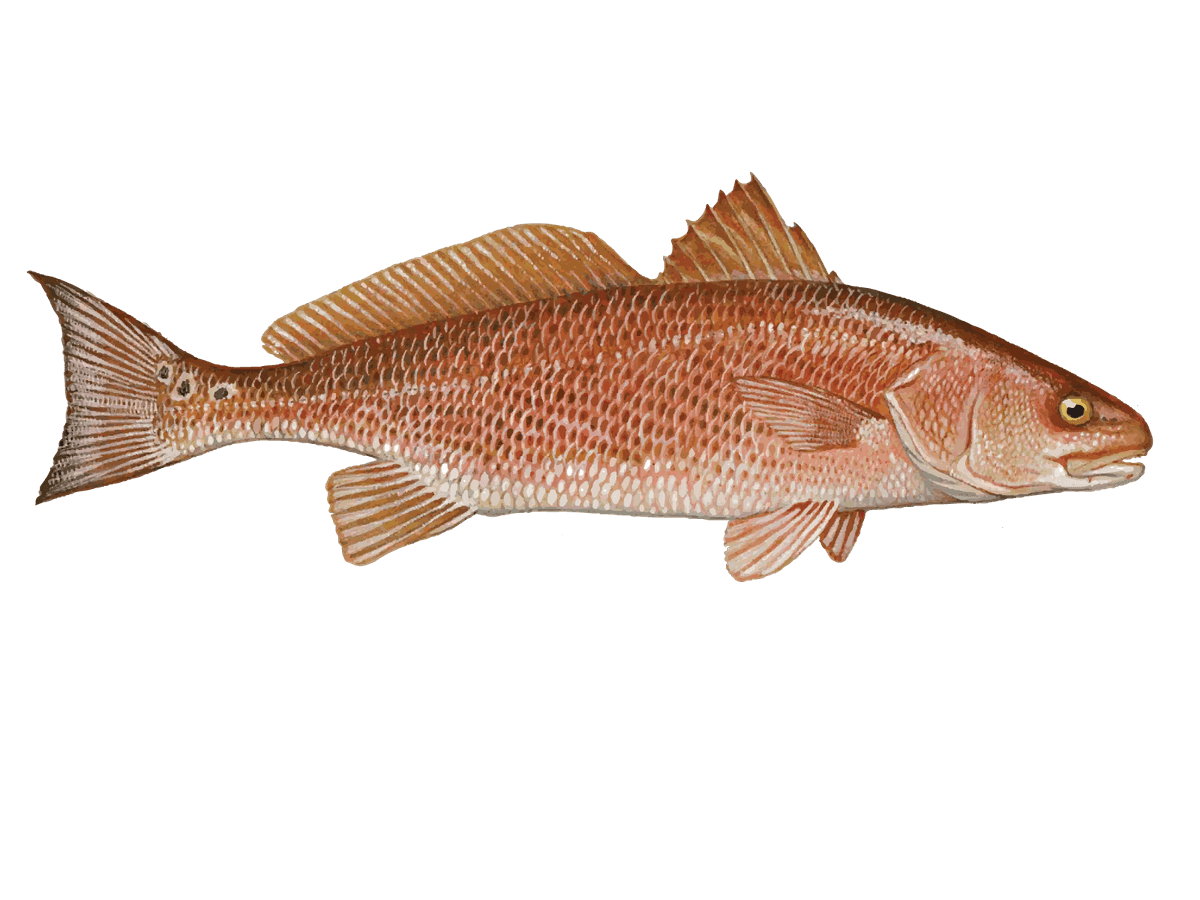
 Redfish
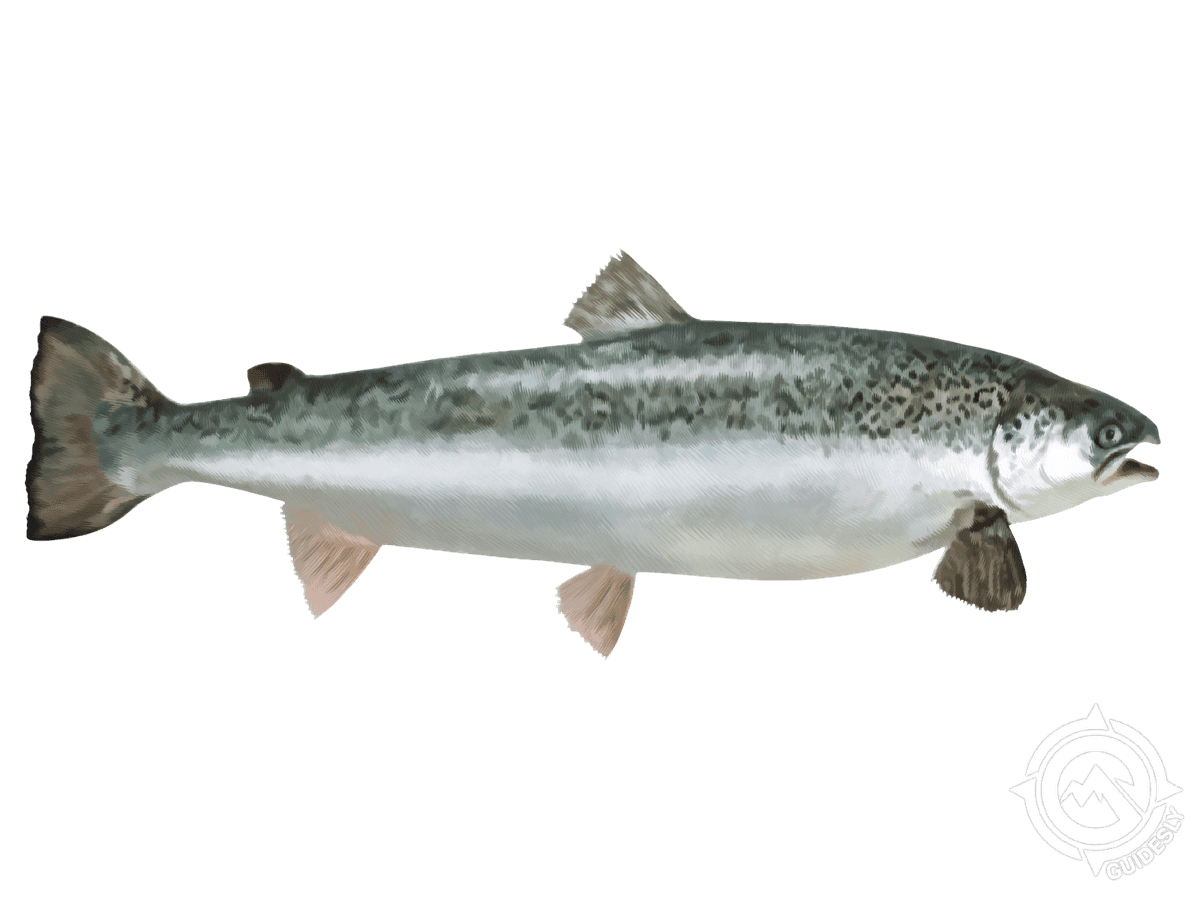
 Sea Trout
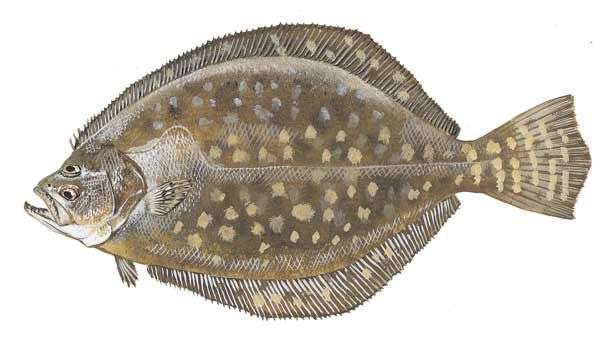
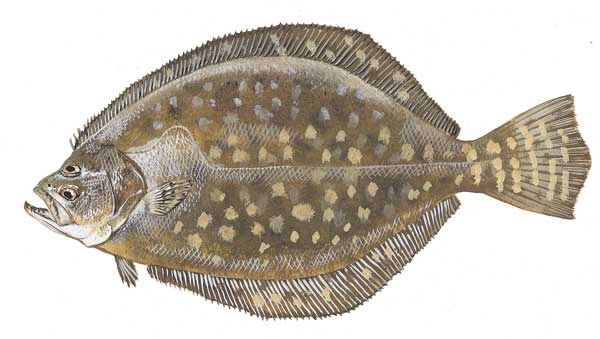 Southern Flounder
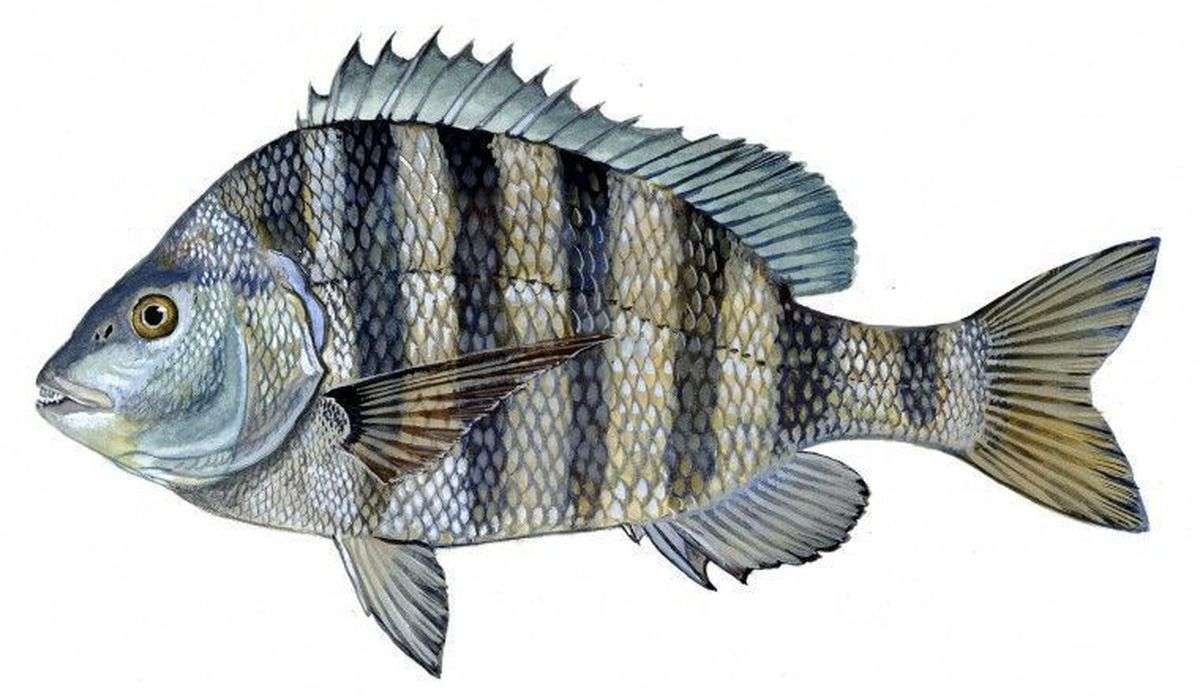
 Sheepshead
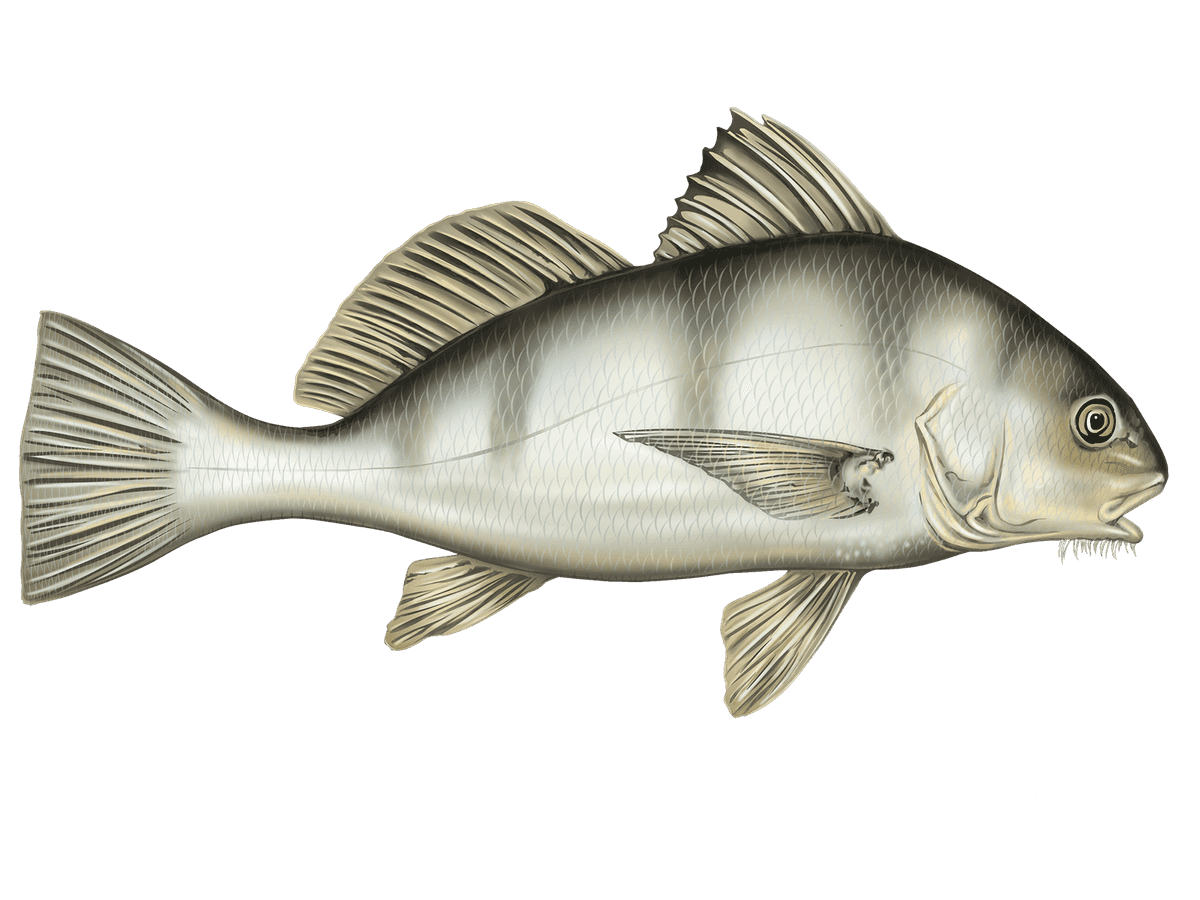
 Black Drum
- Private 4-hour inshore charter for couples and small groups
- Target redfish, trout, flounder, and black drum in Louisiana marshes
- Experienced local captain provides relaxed, uncrowded fishing experience
Trip Pricing and Availabilities:
Trip pricing information is temporarily unavailable.
Halfday Louisiana Inshore Fishing Charter
Captain Ryan's got the perfect setup for couples, buddies, or anyone who wants a more intimate Louisiana fishing experience without the crowd. This 4-hour inshore charter targets some of the Gulf Coast's most popular gamefish right in the heart of Louisiana's legendary marsh country. You'll launch from the New Orleans area and spend your morning or evening working the backwaters where redfish, speckled trout, flounder, and black drum call home. It's a top-rated option for folks who want serious fishing action without committing to a full day on the water.
What to Expect on the Water
Captain Ryan runs these trips with just 1-2 anglers, so you're getting plenty of personal attention and coaching if you need it. The Louisiana marshes around New Orleans offer some of the most productive inshore fishing in the country, and these 4-hour windows let you hit the prime feeding times when fish are most active. Morning trips usually start around sunrise when the water's calm and the fish are hungry after a long night. Evening charters take advantage of that magic hour when gamefish move shallow to feed before dark. You'll be fishing structure like oyster reefs, grass beds, and channel edges where baitfish gather and predators follow. The scenery's pretty spectacular too – endless grass flats stretching to the horizon with pelicans, herons, and other wildlife going about their business while you're working your lures.
Techniques and Tackle
This is primarily artificial lure fishing, which keeps the action fast and lets you cover more water efficiently. Captain Ryan provides all the rods, reels, and tackle you'll need, including a variety of soft plastics, spoons, and topwater plugs that work best in these marshes. You'll learn how to work different lures depending on conditions – maybe bouncing a jig along an oyster reef for redfish, or walking a topwater plug across a grass flat for speckled trout. The boat's equipped with a shallow water anchor system that lets you hold position quietly over productive spots without spooking fish. If you're new to saltwater fishing, don't worry – Captain Ryan will show you the ropes on reading water, feeling strikes, and handling these hard-fighting Louisiana gamefish. Experienced anglers appreciate the chance to learn local techniques and explore new water with someone who knows every nook and cranny of these marshes.
Top Catches This Season
Redfish are the bread and butter of Louisiana inshore fishing, and for good reason. These copper-colored bruisers range from slot-size fish around 20-27 inches up to oversized bulls that can stretch past 40 inches and fight like freight trains. They're year-round residents in these marshes, but fall and winter often produce the biggest fish as they school up in deeper holes and channel bends. What makes redfish so special is their willingness to eat and their amazing fight – they'll make long, powerful runs and use their broad sides to bulldoze through the water. You'll find them around oyster bars, grass edges, and shallow flats where they cruise with their backs nearly out of the water.
Speckled trout, or spotted sea trout, are the other main target that keeps anglers coming back. These beautiful fish with their distinctive black spots are incredibly fun on light tackle, making acrobatic jumps and long runs when hooked. They're most active in cooler months from October through March, when they school up in deeper holes and around structure. A good speckled trout runs 15-20 inches, but the marshes around New Orleans regularly produce "gator trout" over 25 inches that are true trophies. They're also excellent table fare, making them a customer favorite for folks who want to take dinner home.
Southern flounder are the ultimate ambush predators, lying flat on sandy or muddy bottoms waiting for baitfish to swim by. These flatfish can be tricky to locate, but Captain Ryan knows the spots where they congregate – usually near structure transitions or current breaks. Flounder fishing peaks in fall when they're moving toward deeper water to spawn, and a nice doormat flounder pulling drag is something every angler should experience. They're also some of the best eating fish in the Gulf, with sweet, flaky white meat that's perfect for the dinner table.
Black drum don't get the same press as redfish, but they're incredibly strong fighters that will test your tackle and technique. These fish can range from small puppy drum perfect for light tackle fun, up to massive bulls over 30 pounds that fight like they're glued to the bottom. They're year-round residents but tend to be most active in cooler months. Black drum are bottom feeders with excellent senses of smell and taste, so they require a different approach than the more aggressive redfish and trout.
Sheepshead round out the target species list as the ultimate structure fish. These black-and-white striped convicts live around oyster reefs, pilings, and any hard structure where they can use their human-like teeth to crush barnacles, crabs, and other crustaceans. They're notorious bait stealers with incredibly light bites, earning them the nickname "the fish of 1,000 casts." But when you figure them out and start connecting, sheepshead provide steady action and excellent table fare with firm, white meat that rivals any fish in the Gulf.
Time to Book Your Spot
A 4-hour Louisiana inshore fishing charter with Captain Ryan delivers everything you want from a Gulf Coast fishing experience – variety, action, beautiful scenery, and personal attention you just can't get on crowded party boats. Whether you're visiting New Orleans and want to experience world-class fishing, or you're a local looking to explore new water with an expert guide, this trip hits the sweet spot of time and value. The Louisiana marshes are fishing as good as they have in years, and Captain Ryan's intimate knowledge of these waters puts you on fish efficiently. Ready to see what Louisiana inshore
Learn more about the species
Redfish
Redfish are the kings of Louisiana's shallow marshes, easily recognized by their copper-bronze color and distinctive black spot near the tail. Most fish we catch run 20-30 inches, but these bruisers can push 50+ pounds offshore. They love super shallow water - sometimes so shallow their backs stick out - around oyster reefs, grass flats, and marsh edges. Fall and spring offer the best action when they're actively feeding before and after spawning. What guests love most is their aggressive strikes and powerful runs that'll test your drag. The smaller ones are fantastic eating with mild, firm meat. They'll eat almost anything - shrimp, crabs, mullet, you name it. Both live bait and artificials work great. Here's my go-to trick: look for nervous water or tailing fish in the shallows, then cast a gold spoon past them and work it back slowly - that flash drives them crazy.
Sea Trout
Speckled Trout, as we call them down here, are beautiful silver fish covered in black spots with a distinctive torpedo shape. Most run 14-24 inches and 1-5 pounds, perfect for light tackle fishing. You'll find them over grass flats, around oyster reefs, and in shallow bay waters throughout Louisiana's coastal marshes. They're most active during cooler months and love to feed early morning and evening. What makes them a favorite is their willingness to hit topwater lures and their delicate, flaky white meat that's hard to beat on the table. They feed on shrimp, small crabs, and baitfish, so both live bait and artificials work well. During winter, they school up in deeper holes and channels. Pro tip: work your lures slowly over grass beds at dawn or dusk with a popping cork and live shrimp - the noise draws them in from a distance.
Southern Flounder
Southern Flounder are flat, oval-shaped fish with both eyes on their left side - they're masters of camouflage who bury themselves in sand and mud to ambush prey. These guys typically run 15-18 inches but can reach over 30 inches and 20 pounds. You'll find them on sandy or muddy bottoms in shallow bays, rivers, and estuaries throughout Louisiana's marshes. They're active year-round but really fire up in fall and winter when they move toward deeper water. What makes them fun to target is their sneaky feeding style - they'll steal your bait before you know it's gone. The meat is excellent, white and flaky. My tip: use a slip sinker rig with live shrimp or bull minnows, and when you feel that subtle tap, give it a second before setting the hook - they need time to fully commit to the bait.
Sheepshead
Sheepshead are easy to spot with their black and white prison stripes and human-like teeth - that's why we call them convict fish. Most run 1-8 pounds and 14-20 inches, but 20-pounders show up around the right structure. These fish live around anything vertical - dock pilings, bridges, oil rigs, anywhere barnacles grow thick. They're year-round residents but really stack up in spring around spawning time. What makes them special is they're notorious bait thieves with some of the best-tasting white meat you'll find. The challenge is their light bite and ability to clean your hook without you knowing. They're picky eaters who want fiddler crabs, shrimp, or barnacles. My advice: get as close to structure as possible, use small hooks, and when you feel them pecking at your bait, set the hook hard and fast - hesitate and you'll just be feeding fish.
Black Drum
Black Drum are the heavyweights of the drum family, typically running 5-30 pounds but capable of hitting 90+ pounds. These grey-black bruisers have powerful jaws built for crushing oysters and crabs, which is exactly where you'll find them. They love shallow muddy flats, oyster beds, and creek mouths in our Louisiana marshes. Spring is prime time when they school up for spawning - that's when you'll hear their signature drumming sounds underwater. Guests love the strong, steady fight they put up, though smaller fish under 15 pounds taste much better than the big ones. They're bottom feeders, so fresh crab, cut bait, or crushed mussels work best. Here's the deal: use enough weight to keep your bait on the bottom, and when you feel that steady pull, don't horse them - let that drag work and enjoy the ride.
About the 26 ft Bluewave
%2F%2Fusers%2F4a3814ad-68be-43c6-b70e-4940ad9d3654%2Fvehicle_picture%2Fimage-2025-10-17t044342.290-mgtwce08.png&w=1200&q=75)
Vehicle Guest Capacity: 6
Manufacturer Name: Suzuki 350
Maximum Cruising Speed: 40
Number of Engines: 1
Horsepower per Engine: 350