/filters:format(jpeg,png)/fit-in/300x300/guide_websites/55859/images/image-2025-10-17t055543.210.png)
/filters:format(jpeg,png)/fit-in/237x80/guide_websites/55859/images/image-2025-10-17t055543.210.png)
//users/4a3814ad-68be-43c6-b70e-4940ad9d3654/ratecard/0a8cfdfb-d8b7-43d6-b8f6-68dcdcc2385c.jpeg)
%2Ffit-in%2F300x300%2Fusers%2F4a3814ad-68be-43c6-b70e-4940ad9d3654%2Fratecard%2F0a8cfdfb-d8b7-43d6-b8f6-68dcdcc2385c.jpeg&w=256&q=75)
%2F300x300%2Fusers%2F4a3814ad-68be-43c6-b70e-4940ad9d3654%2Fimages%2Fredfish-caught-fishing-la-2448.png&w=256&q=75)
%2F300x300%2Fusers%2F4a3814ad-68be-43c6-b70e-4940ad9d3654%2Fimages%2Fimage-2025-10-17t055402.710-mgtysgh3.png&w=256&q=75)
%2F300x300%2Fusers%2F4a3814ad-68be-43c6-b70e-4940ad9d3654%2Fimages%2Fgreat-fishing-st-bernard-2633.png&w=256&q=75)
%2F300x300%2Fusers%2F4a3814ad-68be-43c6-b70e-4940ad9d3654%2Fimages%2Ffishing-trip-st-bernard-2595.png&w=256&q=75)
%2F300x300%2Fusers%2F4a3814ad-68be-43c6-b70e-4940ad9d3654%2Fimages%2Fst-bernard-fishing-trip-2748.png&w=256&q=75)
%2F300x300%2Fusers%2F4a3814ad-68be-43c6-b70e-4940ad9d3654%2Fimages%2Fanglers-fishing-la-2676.png&w=256&q=75)
%2F300x300%2Fusers%2F4a3814ad-68be-43c6-b70e-4940ad9d3654%2Fimages%2Fredfish-caught-st-bernard-2432.png&w=256&q=75)
%2F300x300%2Fusers%2F4a3814ad-68be-43c6-b70e-4940ad9d3654%2Fimages%2Fspotted-weakfish-la-fishing-2534.png&w=256&q=75)
%2F300x300%2Fusers%2F4a3814ad-68be-43c6-b70e-4940ad9d3654%2Fimages%2Ffishing-la-2619.png&w=256&q=75)
%2F300x300%2Fusers%2F4a3814ad-68be-43c6-b70e-4940ad9d3654%2Fimages%2Ffishing-adventure-la-2613.png&w=256&q=75)
Gulf Snapper Offshore Trips Louisiana 3-4 Guests
 Louisiana
What you will be catching:
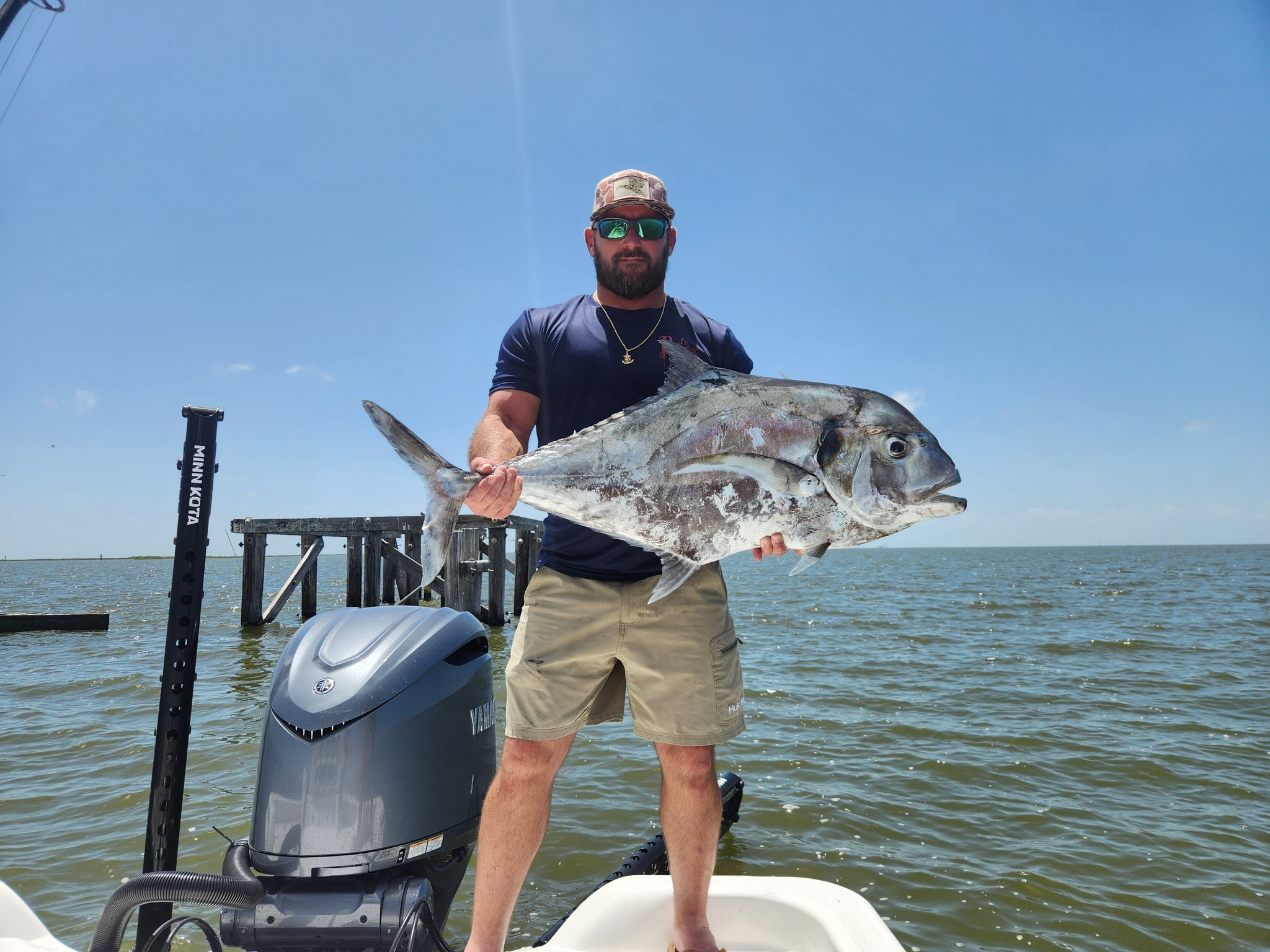
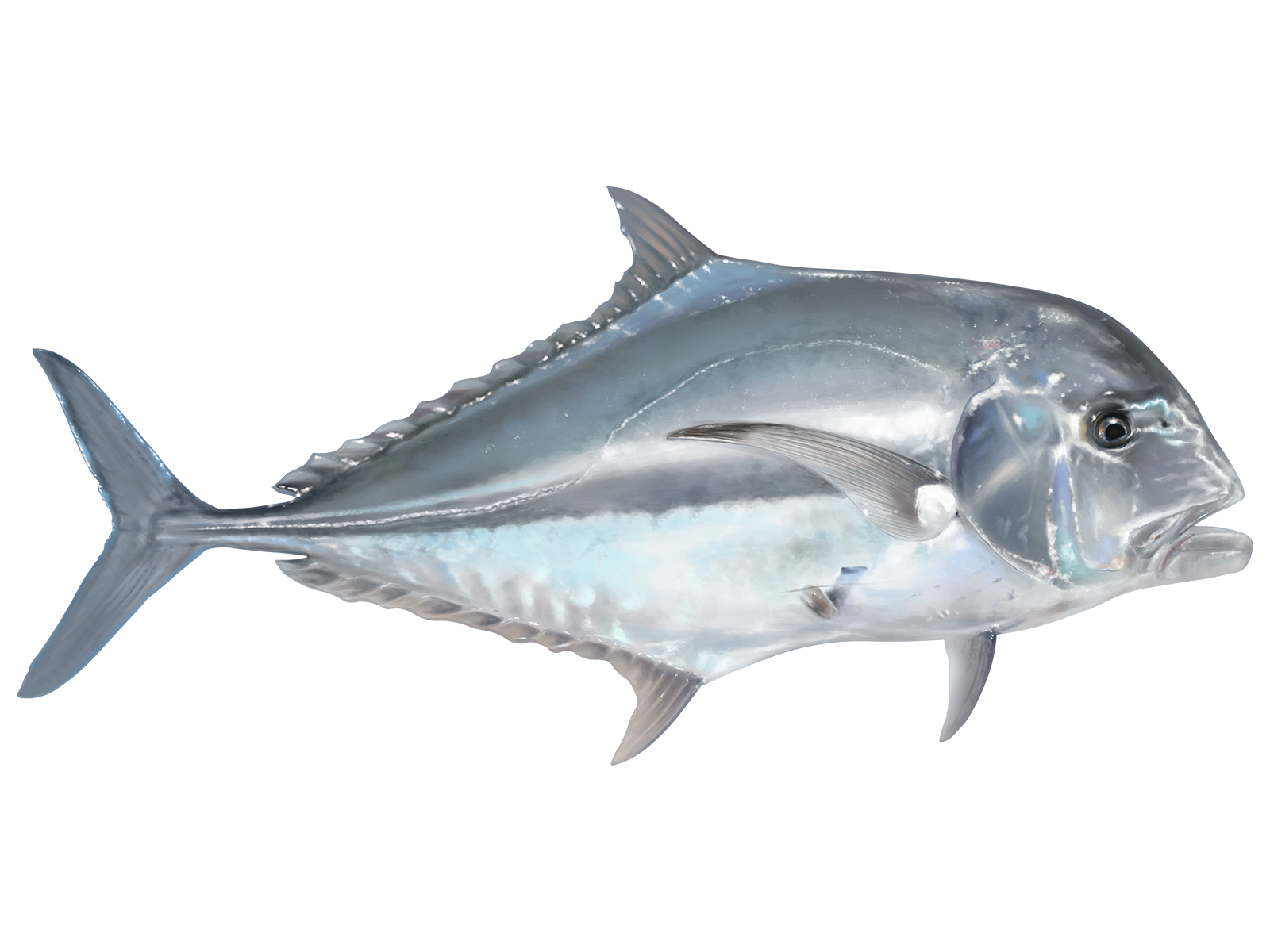 African Pompano
 Red Snapper
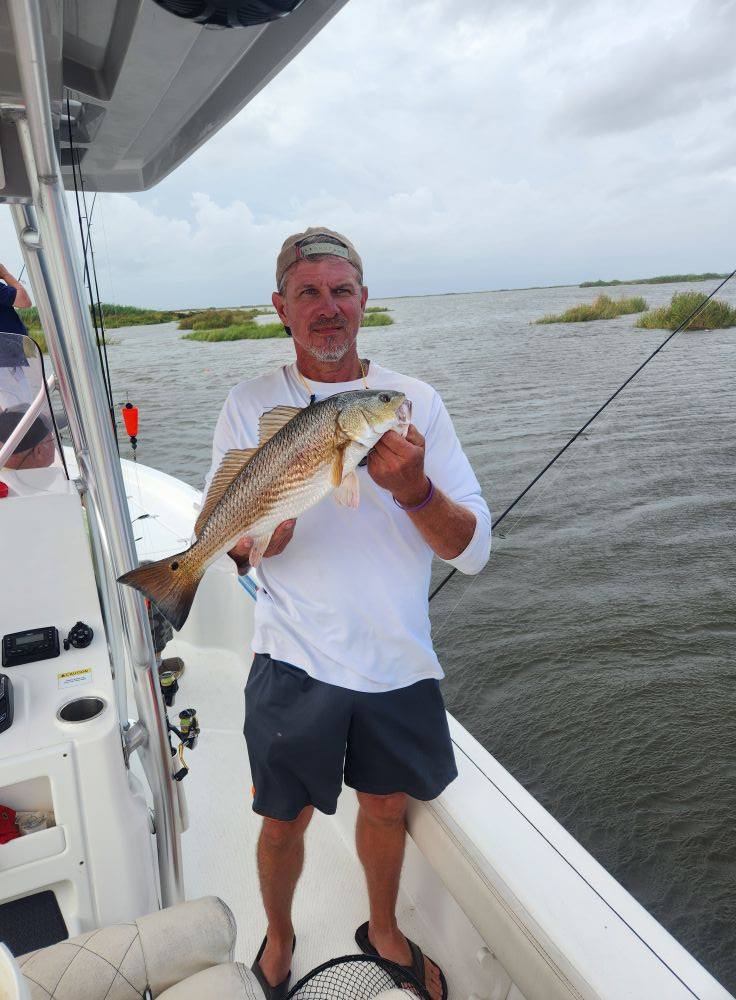
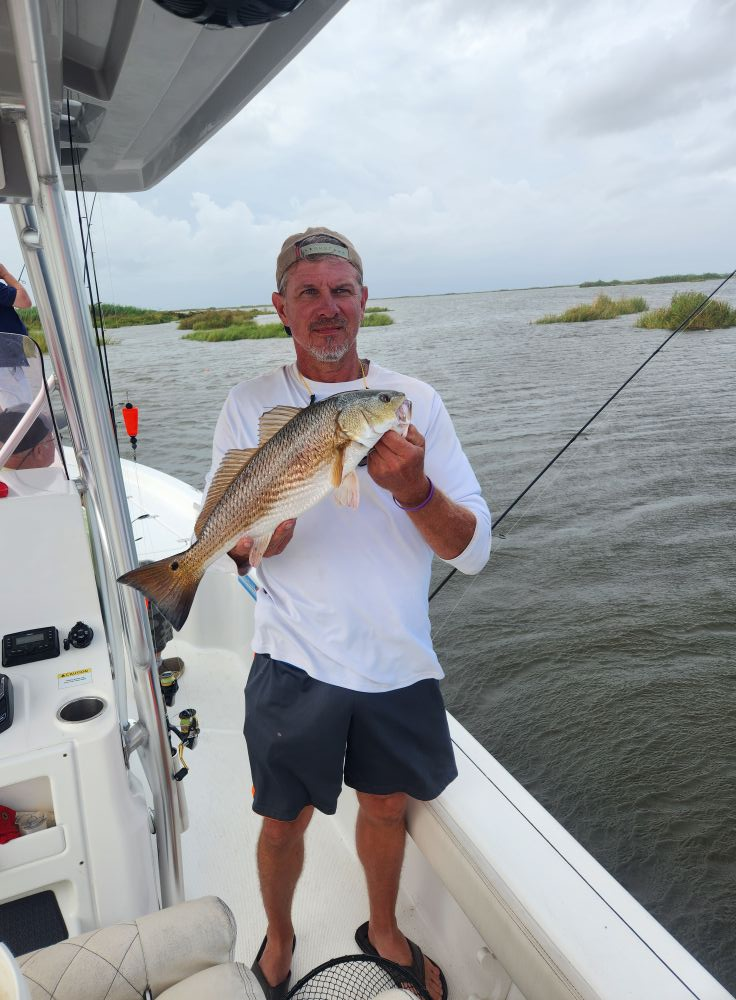
 Redfish
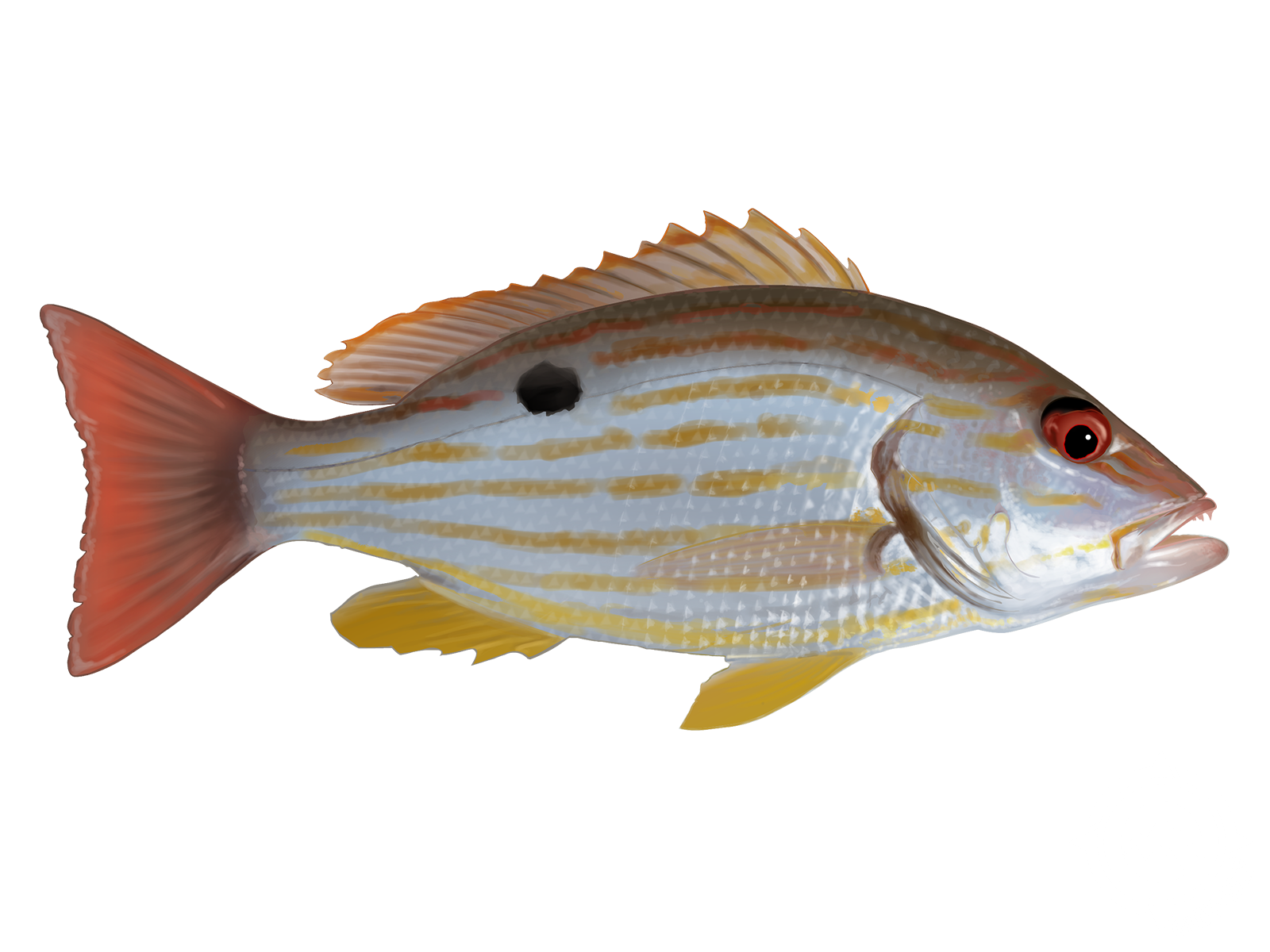 Lane Snapper
- Authentic Louisiana snapper fishing adventure in Gulf of Mexico
- Expert captain and crew provide access to prime offshore fishing grounds
- Perfect for small groups seeking genuine Gulf Coast fishing experience
Trip Pricing and Availabilities :
Trip pricing information is temporarily unavailable.
Louisiana Snapper Trip For 3 To 4 People
Picture this: you're cruising through the warm waters of the Gulf of Mexico with your closest fishing buddies, the Louisiana coastline slowly disappearing behind you as we head to some of the most productive snapper grounds in the region. This isn't just another fishing trip – it's your chance to experience what makes Louisiana offshore fishing legendary. The Gulf waters here are teeming with life, and with Reel Southern Fishing Charters, you're getting access to spots that have been producing trophy fish for generations. We're talking about crystal-clear waters where red snapper stack up on structure like apartment buildings, and where every drop could result in the fish of a lifetime. Whether you're a weekend warrior or someone who lives for the bend of a rod, this trip is designed to put you on fish while soaking up the natural beauty that makes Louisiana's Gulf Coast a world-class fishing destination.
What to Expect on the Water
When we push off from the dock, you're looking at a solid day of fishing in some of the Gulf's most productive waters. We'll be targeting structure and reefs anywhere from 20 to 60 miles offshore, depending on where the fish are biting that day. The boat rides out here are part of the experience – you'll see dolphin pods, sea turtles, and if we're lucky, maybe even some mahi chasing flying fish. Once we reach our first spot, it's game on. We'll be anchored up on natural bottom, artificial reefs, or oil rigs that hold incredible concentrations of snapper and other bottom species. The fishing style is pretty straightforward but effective – we're talking about bottom fishing with heavy tackle to handle these hard-fighting fish and the strong Gulf currents. You'll be using circle hooks with fresh or cut bait, and trust me, when a big red snapper grabs your offering 100 feet down, you'll know it immediately. The drag will scream, and you'll understand why anglers travel from all over the country to fish these waters. Between the fighting fish and the stunning Gulf scenery, this trip delivers on every level.
Gear & Techniques
We've got you covered when it comes to tackle and technique. You'll be fishing with stout conventional reels spooled with heavy braid – usually 50 to 80-pound test – because these Gulf snapper don't mess around. The bottom here can be 80 to 200 feet deep, so we're using 8 to 16-ounce sinkers to get down through the current and stay in contact with the bottom. Circle hooks are the way to go for snapper – they hook fish in the corner of the mouth for better survival rates and easier releases. We'll have a variety of baits on board, from fresh cigar minnows and threadfin herring to cut squid and bonita strips. The key is matching your bait to what the fish are feeding on that particular day. When it comes to technique, it's all about feeling the bottom and keeping your bait in the strike zone. You'll drop down, feel for the bottom, then reel up a few cranks to keep your bait just off the structure where the snapper are cruising. When you feel that telltale thump-thump, don't set the hook – just start reeling steadily and let that circle hook do its job. The fight from 100 feet down is something else entirely, and by the end of the day, your arms will know they've been in a battle.
Species You'll Want to Hook
Red snapper are the crown jewel of Gulf fishing, and for good reason. These crimson beauties can live over 50 years and grow to impressive sizes – we're talking fish that can push 30 pounds or more. They're structure-oriented, which means they live around reefs, wrecks, and rigs where they can ambush smaller fish. Red snapper have incredible eyesight and can be finicky, but when they're feeding, they'll hit hard and fight like fish twice their size. The best part about catching red snapper is that they're absolutely delicious – sweet, flaky white meat that's perfect for everything from grilling to making fish tacos. Peak season runs from June through August when federal waters are typically open, but these fish are present year-round in Louisiana state waters.
Lane snapper might be smaller than their red cousins, but they make up for it in numbers and attitude. These feisty little fighters rarely exceed 3 pounds, but they're aggressive biters and excellent table fare. You'll recognize them by their distinctive yellow stripes and pink coloration. Lane snapper are perfect for light tackle fishing when the bite is hot, and they're often the first fish to find your bait when you drop down. They school heavily around the same structure that holds red snapper, so catching lanes is often a good sign that bigger fish are nearby. These guys are active year-round but really turn on during the warmer months when baitfish are most abundant.
Redfish in offshore waters are a different beast entirely from their inshore cousins. Out here in the Gulf, we're talking about fish that can exceed 40 inches and 30 pounds – true bull reds that have the power to test your tackle and your patience. These copper-colored bruisers are often found around the same structure as snapper, but they tend to cruise in the mid-water column rather than hugging the bottom. When a big redfish grabs your bait, the initial run can peel line off your reel like you wouldn't believe. They're surprisingly common in offshore waters during certain times of the year, particularly spring and fall when they're moving between spawning areas and feeding grounds.
African pompano are the wildcards of this trip – when you hook into one, you know you've got something special on the line. These silvery speedsters can grow to impressive sizes offshore, with fish over 20 pounds not uncommon around deeper structure. They're built for speed with their compressed bodies and long, flowing dorsal and anal fins. African pompano are opportunistic feeders that will
Learn more about the species
African Pompano
African pompano are sleek, silver members of the jack family that roam our deeper waters from 30-250 feet around structure. Adults average 15-25 pounds but can grow much larger - the world record hit over 50 pounds. Juveniles look completely different with long, trailing filaments that disappear as they mature. They're fast swimmers that cover lots of water hunting crustaceans and baitfish. Summer months tend to be most productive when they're more active in our area. What makes them special is that lightning-fast fight - they'll make long, powerful runs that test your drag. The meat is excellent too, similar to other jacks but milder. Since they're attracted to shiny, moving objects, bright jigs and spoons work well along with live bait. Keep your jig moving constantly - these fish like fast-moving targets.
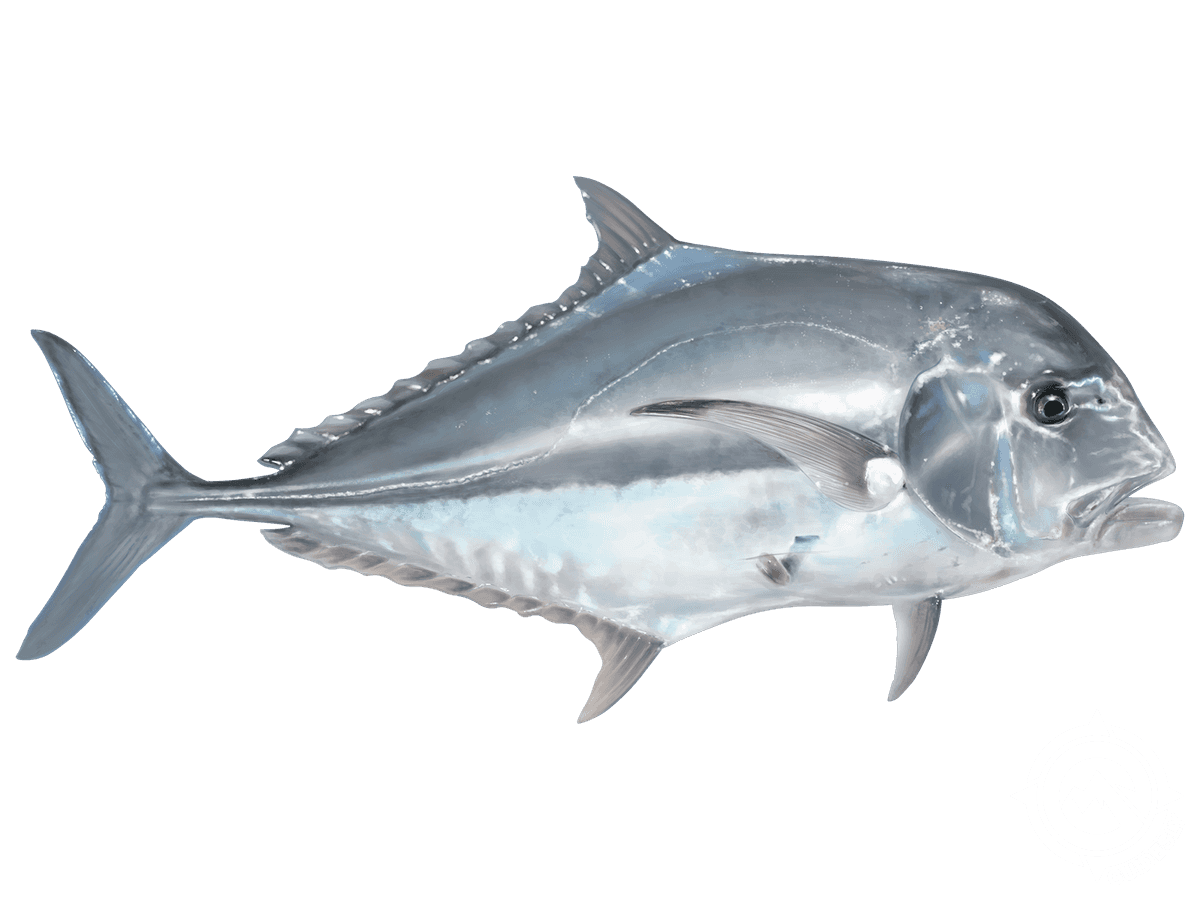
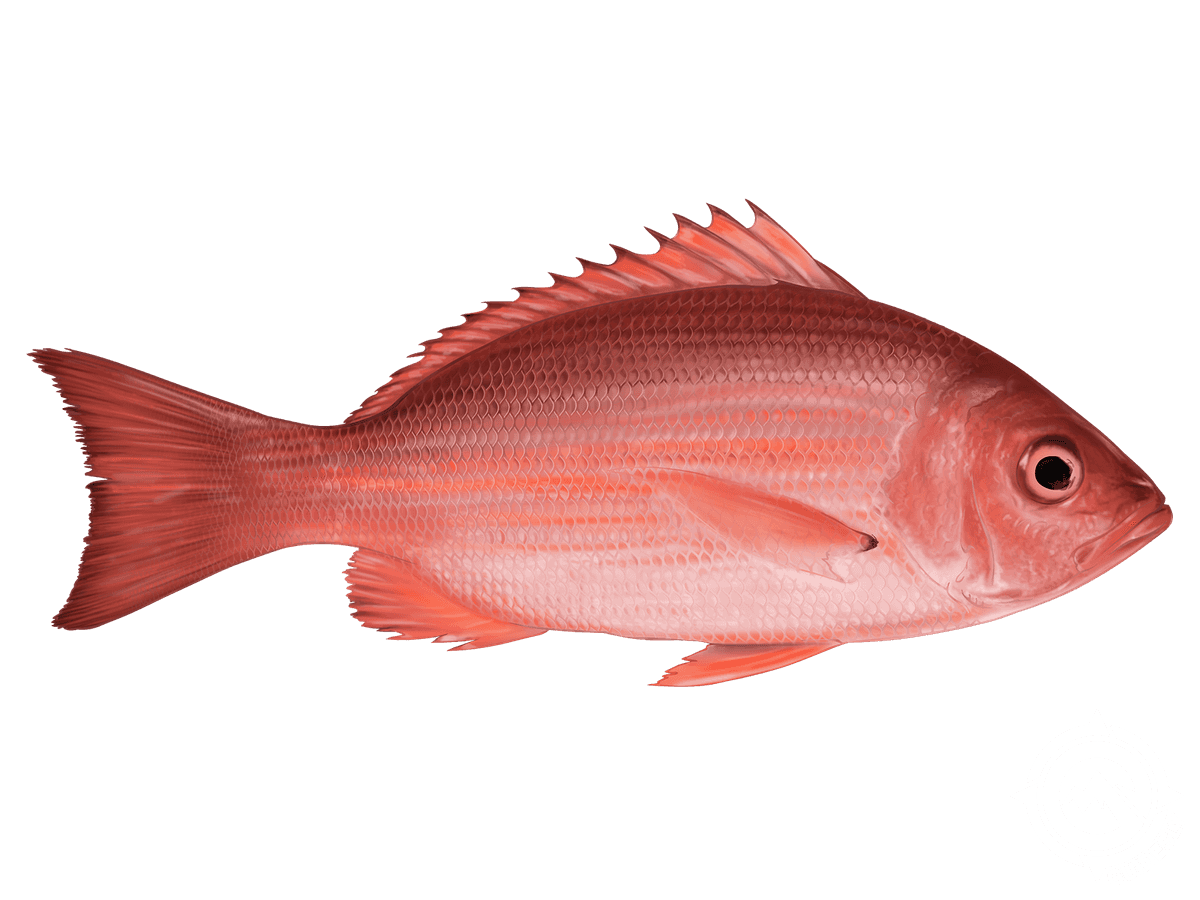
Red Snapper
Red snappers are the kings of Gulf bottom fishing, running deep around rigs and reefs in 30-200 feet. Most fish we catch are 16-24 inches and 3-8 pounds, but mature ones can hit 30+ pounds. They're bright red on top fading to pink and white below - hard to mistake. May through October is peak season when they're spawning and most active. These fish are true fighters that'll head straight for structure to cut your line, so be ready with heavy tackle. The meat is what really gets people excited - firm, white, and sweet as it gets. Fresh squid and cigar minnows work best, but live pinfish will get the biggest ones. Keep your bait right on bottom and when you hook up, crank hard and fast to get them away from the structure before they wrap you up.
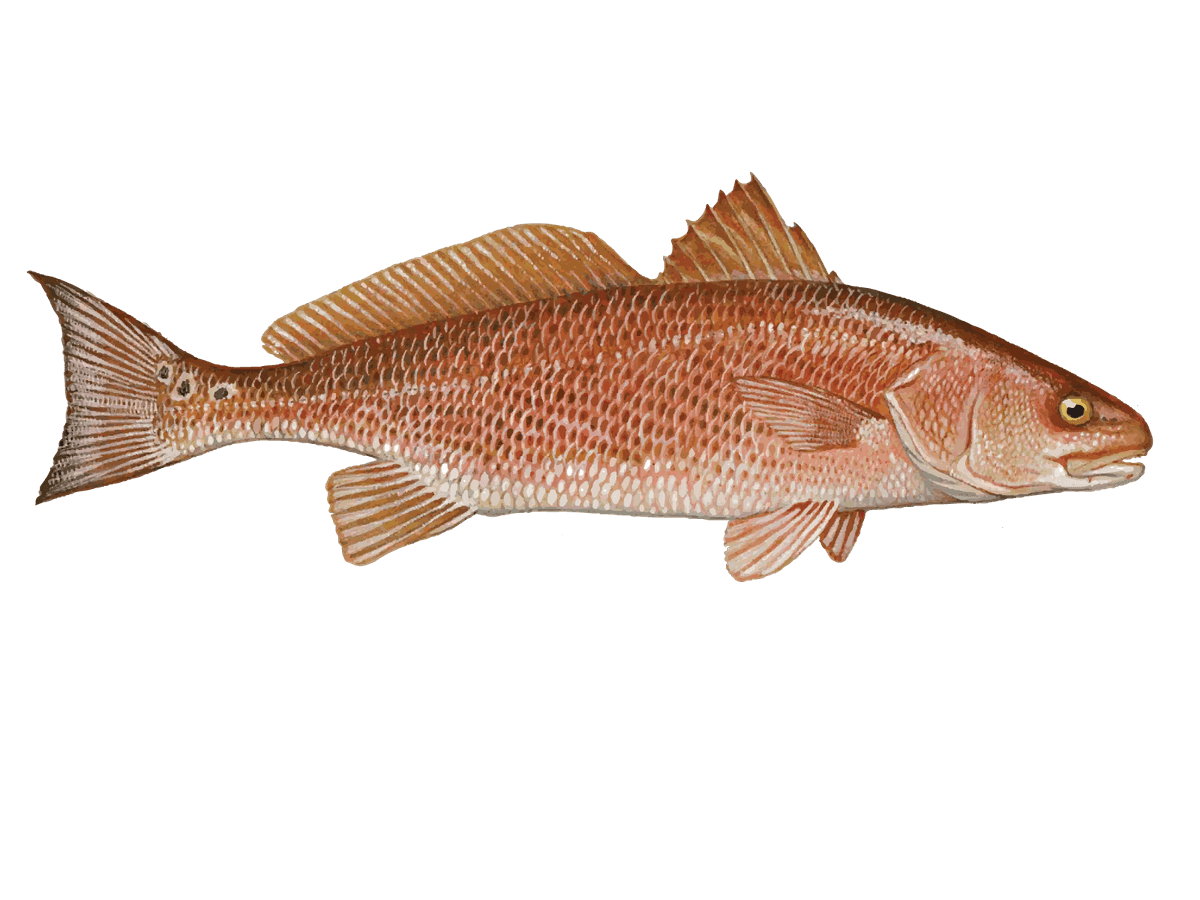
Redfish
Redfish are Louisiana favorites that hunt the shallow marshes and oyster beds in 1-4 feet of water. You'll spot their copper backs and distinctive black eyespots near the tail as they cruise grass flats and muddy bottoms. Most fish run 20-30 inches, but bulls over 40 inches show up around structure. Spring through fall gives you the best action when they're feeding heavy before winter. These fish fight hard with powerful runs toward cover, and they taste great with that sweet, flaky meat. They'll hit live shrimp, topwater plugs, and spoons. Pro tip: when you see them tailing in skinny water, cast ahead of where they're moving and let your bait settle to the bottom - they feed with their heads down.
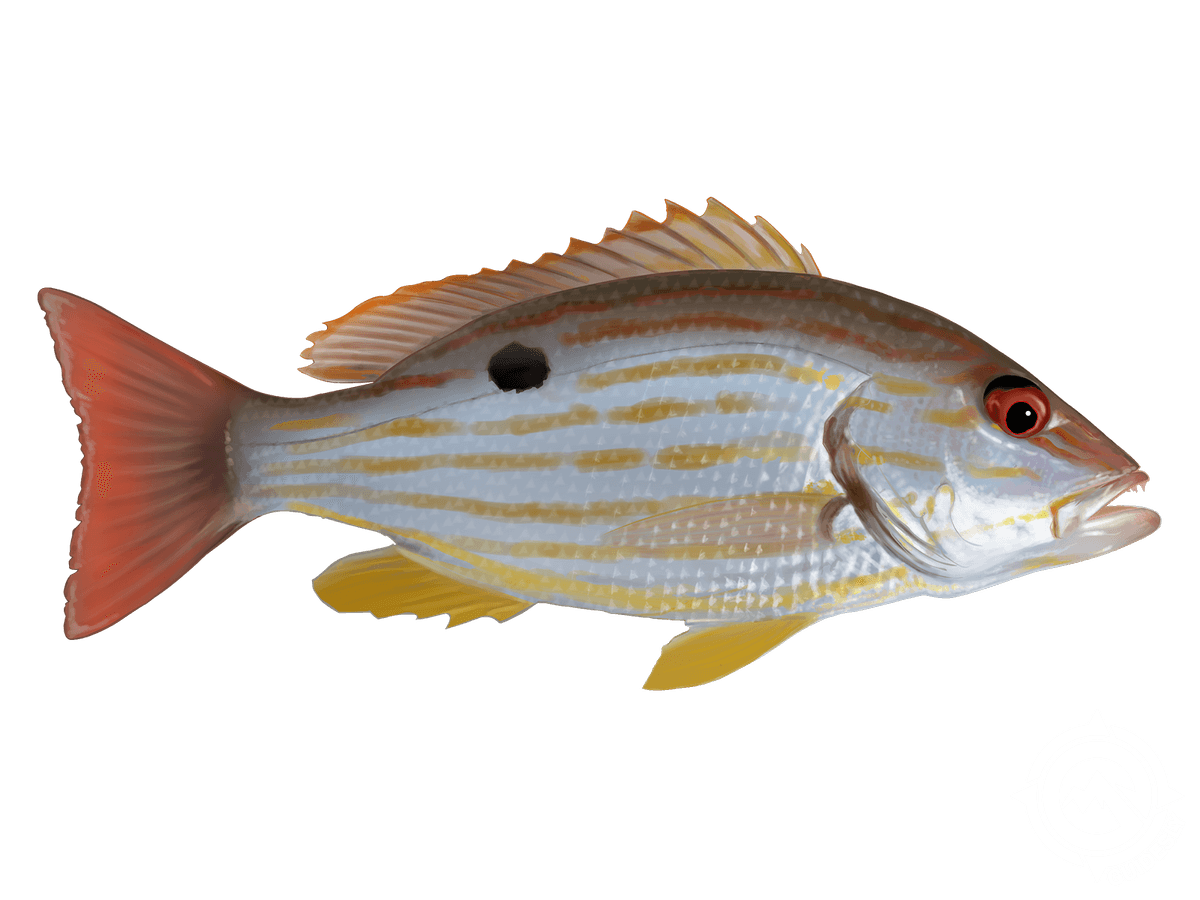
Lane Snapper
Lane snappers are those pretty pink fish with yellow stripes running down their sides like candy cane lanes. Most run 10-14 inches, though you might land one pushing 20. They live around coral reefs and rocky bottoms in 70-230 feet, but we find good numbers in shallower water too. March through September is prime time when they're spawning and feeding heavy. They're aggressive little fighters that'll hit cut bait, shrimp, and squid without much fuss. What folks love is they're often a nice bonus fish when we're targeting bigger snappers, and they make excellent table fare with sweet, white meat. Local trick: fish at night when they feed most actively, and don't be shy with your hook size - they've got good mouths and aren't line-shy like some species.
About the 26 ft Bluewave
%2F%2Fusers%2F4a3814ad-68be-43c6-b70e-4940ad9d3654%2Fvehicle_picture%2Fimage-2025-10-17t044342.290-mgtwce08.png&w=1200&q=75)
Vehicle Guest Capacity: 6
Manufacturer Name: Suzuki 350
Maximum Cruising Speed: 40
Number of Engines: 1
Horsepower per Engine: 350